SolarDraft (often searched as Solar Draft) and Solar Ladder are both Indian solar EPC platforms that combine design, proposals and pipeline tracking into one system. Solar Ladder positions itself as an end-to-end operating system covering sales, procurement and project tracking, with mobile 3D design and proposal generation designed to be finished during the first site visit; it reports 300+ users onboarded since 2021, including named enterprise clients.
Because both tools target the same buyer — a growing Indian EPC — the choice usually comes down to scope, workflow and how you like to buy software. This guide lays those out side by side, explains where each approach fits, and gives you a short checklist to run during any demo.
Key points
- Both platforms are built in India for growing solar EPCs and support designing on a phone during a site visit.
- Solar Ladder highlights a broader operations scope, including procurement and installation tracking.
- SolarDraft concentrates on the steps that win the order — 3D design with shading, subsidy-ready proposals and a CRM — plus engineering drawings from the same design.
- SolarDraft publishes every plan and price with GST included; Solar Ladder's pricing is sales-assisted and not listed publicly.
At a glance
| SolarDraft | Solar Ladder | |
|---|---|---|
| Positioning | 3D Design, Proposal and CRM in one platform | End-to-end sales-to-installation operating system |
| 3D design | Full rooftop 3D design & shading analysis | Mobile 3D design, built for the first site visit |
| Proposal | Subsidy-ready, GST-inclusive, INR pricing | Automated proposals with savings graphs |
| Project tracking | Via built-in CRM; project management on Pro and above | Dedicated procurement & project-tracking modules |
| Pricing | Published, fixed INR plans — see Price List | Not publicly listed; industry-reported estimates of roughly ₹4,000–₹8,000 per user/month circulate among installers, but this is not vendor-confirmed* |
*Figure is a buyer-reported industry estimate found in public sources, not an official price published by Solar Ladder.
Key features — SolarDraft
- Fixed, published pricing across every plan, with GST included — no quote required to compare.
- 3D Design, Proposal and CRM in one platform, each with Basic, Pro and Premium plans.
- Built specifically around Indian subsidy maths and GST invoicing.
- 3D tools including LiDAR, advanced shadow analysis, Structure BOM, PV array and string route drawings, and a Single Line Diagram.
Key features — Solar Ladder (per public information)
- Broader operating-system scope covering procurement and installation tracking.
- Mobile-first workflow aimed at closing on the first site visit.
- Reports adoption by 300+ EPCs and larger enterprise accounts.
“If published, comparable pricing matters to you, SolarDraft's Price List is a fixed reference point. If you want a broader operations suite covering procurement, that's a strength Solar Ladder highlights.”
Sales and CRM: where most EPC revenue is won or lost
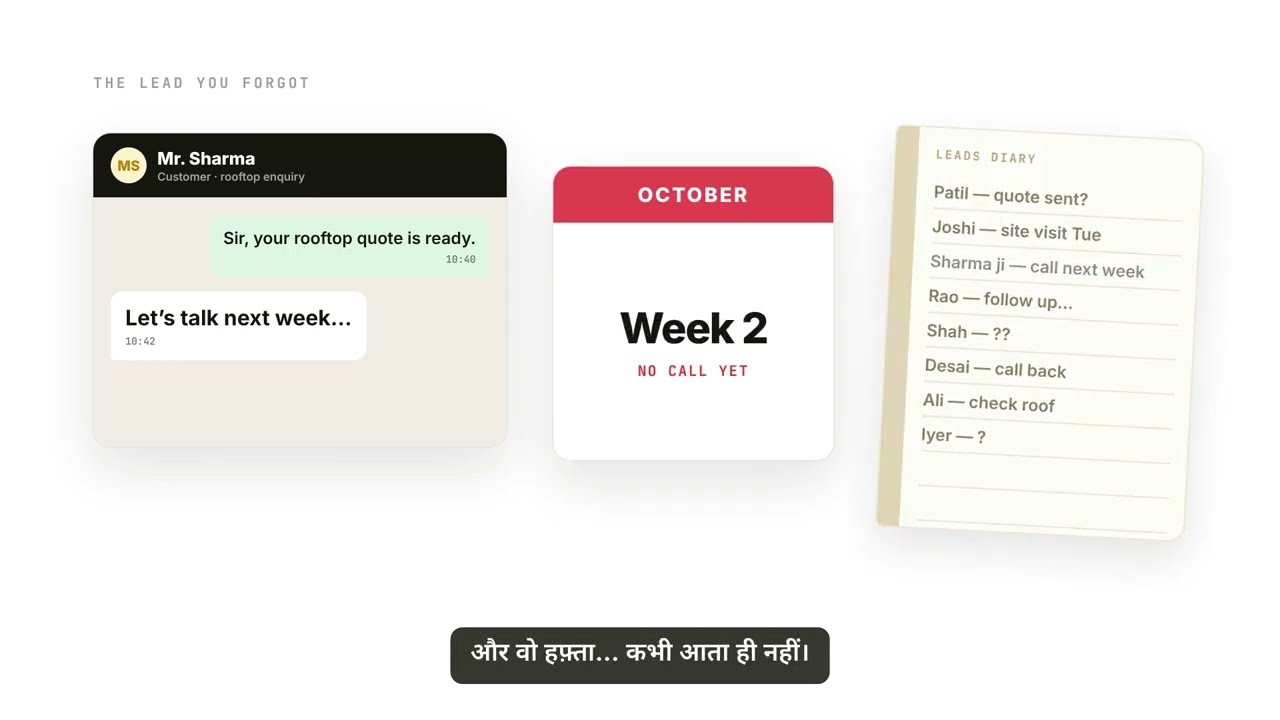
For most small and mid-sized EPCs, the bottleneck isn't installation capacity — it's the gap between an enquiry and a signed order. Leads arrive from referrals, Facebook ads and walk-ins, and without a system they go cold. Our guide on why solar EPCs need a CRM covers this in detail.
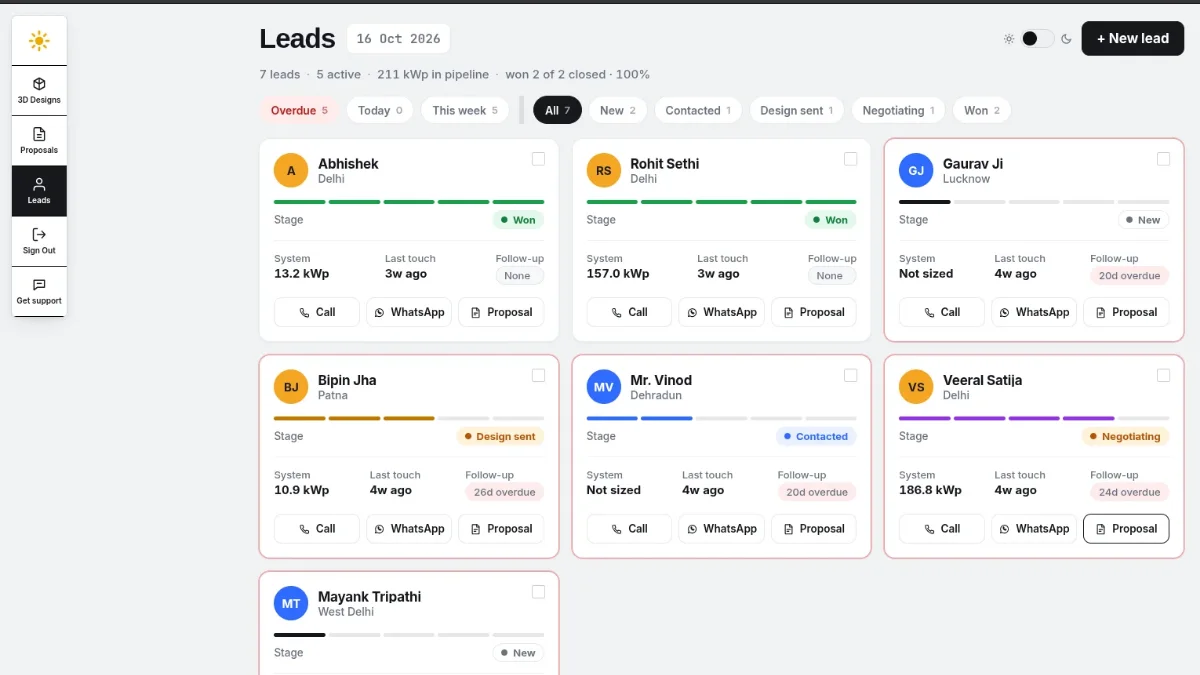
SolarDraft's Solar CRM is built around that stretch of the journey: every lead has a stage, a system size, a last-contact date and a next follow-up, and the proposal you sent sits on the same record. The admin view shows which salesperson is handling what.
Design and proposal workflow
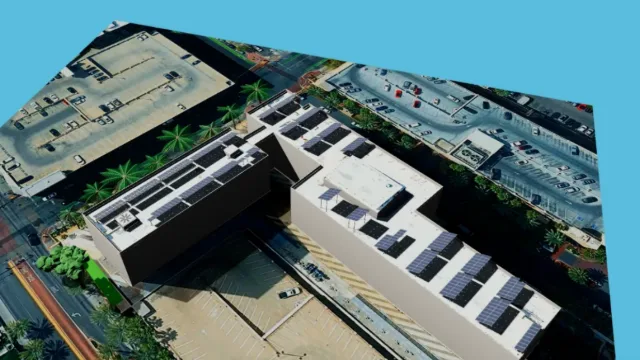
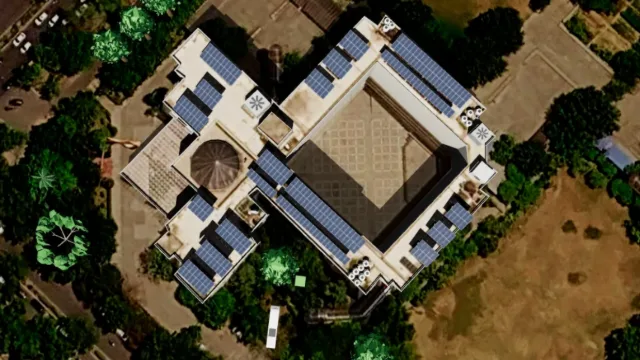
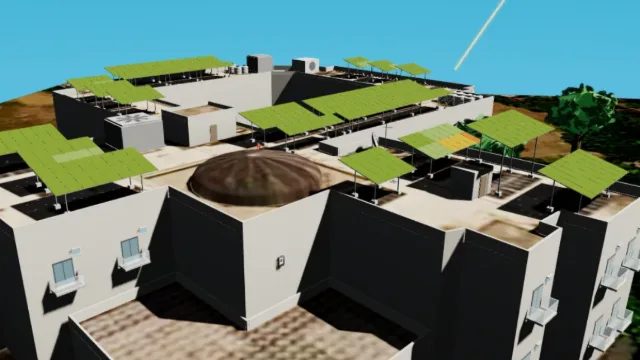
Both tools let a salesperson design on a phone during a site visit. In SolarDraft the design is a 3D model of the real roof on the satellite map, with a year-round shading analysis. That design then becomes a branded Solar Proposal showing system size, generation, payback and the PM Surya Ghar subsidy separately from the customer's own cost. You can see a full example on the samples page.
The same SolarDraft design also produces the engineering outputs an installation team needs — Structure BOM, PV array and string route drawings and a Single Line Diagram — so the system that was sold is the system that gets built.
Scope: focused sales platform vs operating system
The clearest difference in positioning is scope. Solar Ladder describes procurement and installation tracking as part of its platform. SolarDraft concentrates on design, proposal and CRM — the steps that decide whether you win the order — and offers all three in one place, with site survey, battery (BESS) design and project management on its Pro plans and above. If your main pain is inventory and site execution, weigh the broader scope; if it's converting enquiries, weigh the sales tools.
| Your biggest pain | What to look at first |
|---|---|
| Leads going cold after the first call | CRM, follow-up reminders, proposal speed |
| Quotes that change after the site visit | 3D design accuracy and shading analysis |
| Subsidy and GST confusion with customers | How the proposal shows price, subsidy and net cost |
| Material shortages and site delays | Procurement and installation tracking |
| Budget planning for software | Published pricing and total yearly cost |
Pricing
SolarDraft's Solar 3D Design plans are published with GST included and priced mainly by the largest project size: Basic ₹40,000 a year (projects up to 500 kW), Pro ₹60,000 (up to 1 MW), Premium ₹2,00,000 (up to 10 MW), and Custom plans above that. Solar Proposal and Solar CRM have their own Basic, Pro and Premium plans. The full list is on the pricing page. For any vendor, ask for the full yearly price for your team size, in writing.
A five-point demo checklist
- Design a real customer's roof, including a water tank or parapet, and check the shading result.
- Generate a proposal and confirm the subsidy, GST and net cost are shown clearly.
- Send it the way your customers actually read it — usually on WhatsApp.
- Add a follow-up reminder and see where it appears the next day.
- Ask for the full yearly price for your team size, in writing.
Both platforms target the same buyer — a growing Indian solar EPC. The clearest practical difference today is pricing transparency: SolarDraft publishes exact plan pricing, while Solar Ladder's pricing is sales-assisted and not listed publicly. For a broader checklist, see our solar proposal software buyer's guide.
FAQ
Is SolarDraft a Solar Ladder alternative?
Yes, for EPCs whose priority is 3D design, subsidy-ready proposals and lead follow-up. Compare the published plans on the pricing page.
Can I test SolarDraft first?
Yes — create a free account and design a real rooftop, or book a demo to see the full workflow.
Does SolarDraft work on a phone?
Yes. Designs and proposals can be made on a phone during a site visit, and there is an Android app.
Does SolarDraft include GST in its prices?
Yes. Every published SolarDraft price includes GST, and you receive a GST invoice.