Solar panels are typically warrantied for 25 years, but that is a performance guarantee, not an expiry date. Well-made panels keep generating long after the warranty ends.
“How long will it last?” is one of the first questions customers ask, and the honest answer has a few parts: the panels, the inverter, the structure and the wiring all age at different rates. This guide explains the realistic lifespan of each part of a rooftop solar system in India, what Indian conditions do to it, what shortens its life, and how to plan for the replacements that do come up.
Key points
- Good panels lose roughly 0.5–0.8% of their output a year and usually keep working well past year 25, at around 80–85% of their original output.
- The inverter is the part most likely to need replacing, typically once, around year 10–15.
- Heat, dust, humidity and coastal salt affect Indian systems; good components, a raised structure and proper installation offset most of it.
- A residential system usually pays back within the first several years, so the long tail of generation is pure saving.
What actually happens over time
A solar panel has no moving parts, so it doesn't wear out suddenly. Instead, its output declines slowly through a process called degradation. There is a slightly larger drop in the first year as the cells settle, then a small, steady decline each year after that. Manufacturers turn this into a performance warranty: a promise that the panel will still produce a stated percentage of its rated output after 10, 25 or even 30 years.
- Panels lose roughly 0.5–0.8% output per year after the first year.
- Most panels still work well past year 25, just at reduced output.
- Inverters usually need replacement once, around year 10–15.
“A panel doesn't stop working at 25 years — it just isn't guaranteed anymore.”
| Year | Typical output of a good panel |
|---|---|
| Year 1 | ~98% |
| Year 10 | ~93–94% |
| Year 20 | ~85–88% |
| Year 25 | ~80–85% |
| Year 30 | Still generating, typically below 80% |
Exact figures depend on the panel technology and the manufacturer's warranty; always check the datasheet. Our guide to solar panel degradation explains the causes in detail.
Lifespan of each component
| Component | Typical life | Notes |
|---|---|---|
| Panels | 25–30+ years | Output slowly declines; covered by a performance warranty |
| Inverter | 10–15 years | Budget for one replacement |
| Mounting structure | 20–25+ years | Depends on material, coating and coastal exposure |
| Cables and connectors | 20+ years | If UV-rated and properly routed |
| Protection devices (SPDs, fuses, MCBs) | Varies | Inspect yearly; replace after surges or faults |
| Battery (if any) | Varies by type | Lithium usually outlasts lead-acid |
What Indian conditions do to a system
Panels sold in India are tested for heat, humidity and UV, but local conditions still shape how long a system performs well:
- Heat — high cell temperatures reduce output on hot afternoons and add thermal stress over the years. Panels with a lower temperature coefficient and raised structures with airflow underneath help.
- Dust — dust doesn't damage panels, but it cuts generation until they are cleaned. In dry, dusty regions cleaning frequency matters more than almost anything else.
- Humidity and monsoon — moisture tests the quality of junction boxes, connectors and the panel's sealing. Cheap components are where problems show up first.
- Coastal salt — within a few kilometres of the sea, salt spray corrodes poorly coated structures and fasteners. Specify suitably coated or corrosion-resistant materials.
- Industrial pollution — soot and chemical deposits need more frequent cleaning and can corrode metalwork.
What shortens a system's life
- Poor-quality components — unknown panel brands, non-UV-rated cables and thin, uncoated structures.
- Bad installation — loose connectors cause hot spots; panels walked on during installation develop micro-cracks.
- Mismatched connectors — mixing connector brands can lead to poor contact and heating over time.
- Heat with no airflow — panels mounted flat against the roof run hotter than those on a raised structure.
- Harsh cleaning — abrasive brushes, detergents and high-pressure jets can damage the glass coating.
- Neglect — dirt, bird droppings and unchecked faults cost output every month. Use our maintenance checklist.
A 30-year timeline
| Period | What to expect | What to do |
|---|---|---|
| Year 0–1 | Small first-year drop as cells settle | Compare generation with the proposal; fix any installation snags |
| Year 1–10 | Steady output, slow decline | Regular cleaning, yearly electrical check |
| Year 10–15 | Inverter nearing end of life | Plan and budget an inverter replacement |
| Year 15–25 | Panels still productive; structure ageing | Inspect structure and fasteners for corrosion |
| Year 25+ | Panels out of warranty, still generating | Keep running, or repower with newer panels |
Planning for the long run
For most homeowners, the panels will outlast every other appliance in the house. The one planned expense is usually an inverter replacement in the second decade, so it's worth setting aside a small amount each year or asking your EPC about extended inverter warranties. Everything else is routine cleaning and an annual check.
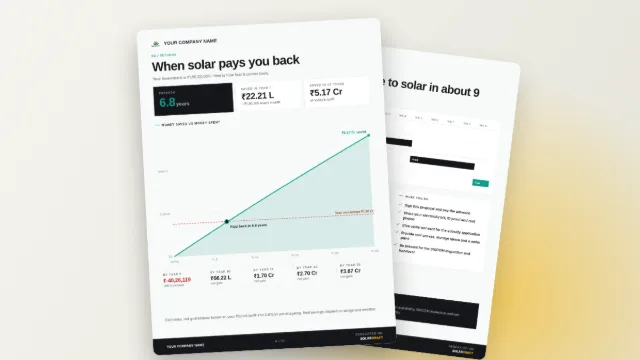
From a financial point of view, a residential system in India typically pays back in the first several years, then keeps saving for two decades or more. Degradation is already built into an honest payback calculation, so the long tail of savings is a bonus, not a gamble.
Signs a system needs attention
- Generation noticeably lower than the same month last year, after cleaning.
- Error codes or frequent restarts on the inverter.
- Visible discolouration, bubbles or cracks on a panel.
- Brown marks or melting near connectors, a sign of a loose connection.
- Rust spreading on the structure or fasteners.
Most of these are cheap to fix early and expensive to ignore. Call your EPC rather than opening junction boxes yourself.
“The cheapest panel isn't the one with the lowest price. It's the one still producing in year 25.”
What happens at the end
When panels eventually reach the end of their useful life, they shouldn't go to a scrap dealer or landfill. Solar panels are covered by India's e-waste rules, so ask your installer or the manufacturer about authorised take-back and recycling. Many owners simply repower — replacing old panels with new, higher-wattage ones on the same structure, after checking that the structure and wiring are still sound.
How EPCs set expectations
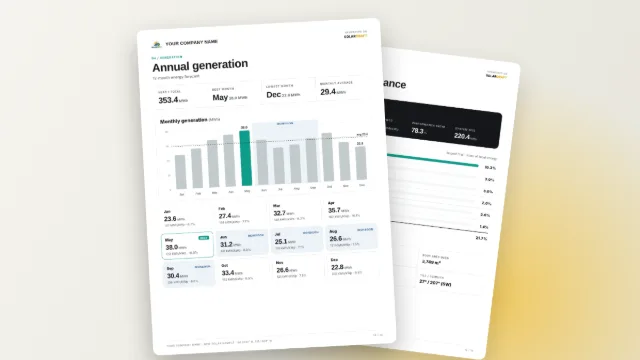
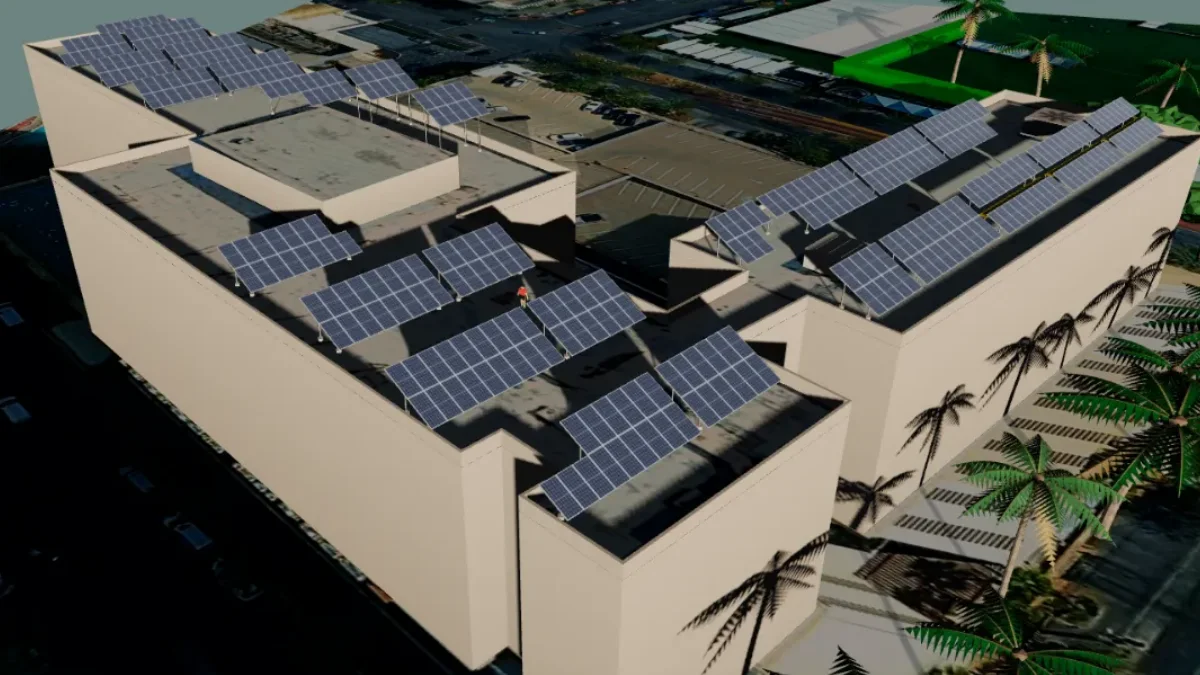
Customers trust installers who explain lifespan honestly: panels for decades, an inverter swap along the way, and simple maintenance. Proposals that show year-by-year generation with degradation make this concrete. SolarDraft's Solar Proposal includes annual and 25-year generation pages, built from the 3D design of the actual roof.
For the warranty side of the conversation, see our warranty guide.
FAQ
Do panels stop working after 25 years?
No. They keep producing, at around 80–85% of their original output, often for many more years.
Does Indian heat shorten panel life?
Heat lowers output on hot days and adds thermal stress over time, but panels are tested for it. Good airflow under a raised structure and panels with a low temperature coefficient help — see panel types compared.
Which part fails first?
Usually the inverter. Compare inverter types in string vs micro inverters.
Is it worth installing solar if I might move in 10 years?
Often yes. Many systems pay back well within that time, and a working solar system can add appeal when you sell or rent the property.