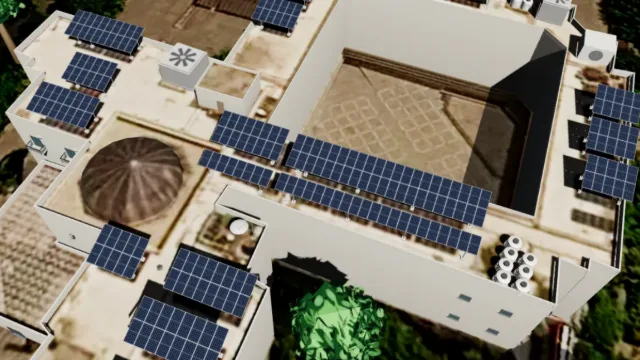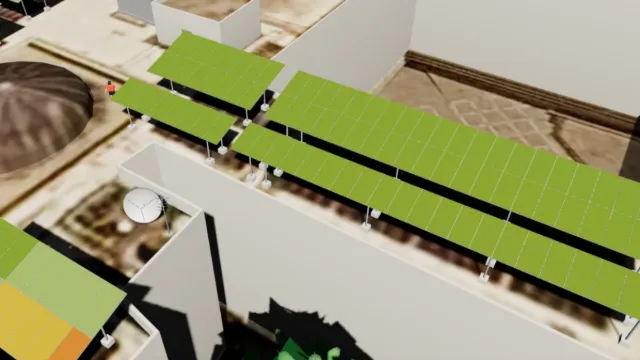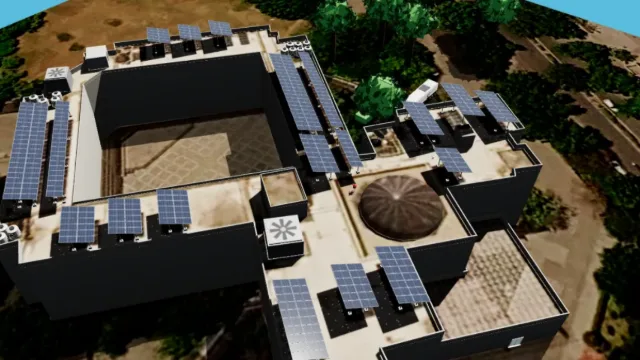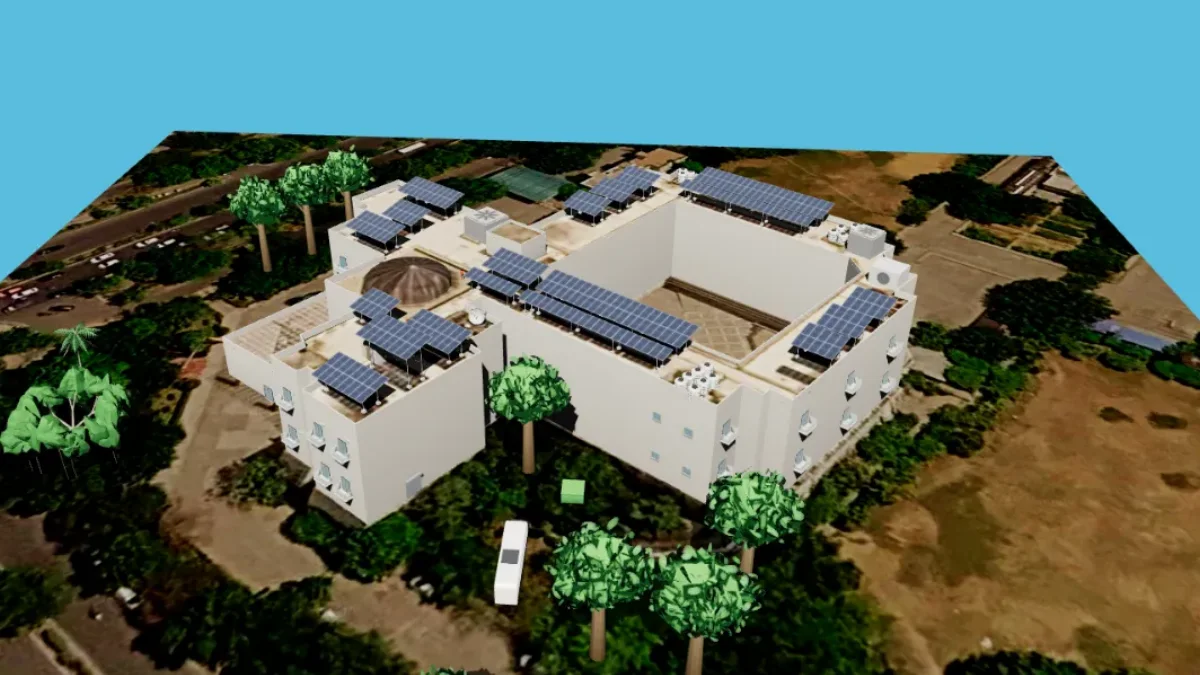
PM Surya Ghar Muft Bijli Yojana is the Indian government's rooftop solar subsidy scheme for residential homes, aiming to help one crore households generate their own electricity. Here's the short version, followed by the details homeowners and EPCs ask about most.
Launched in 2024 with a central outlay of about ₹75,000 crore, the scheme gives central financial assistance (CFA) to households that install grid-connected rooftop solar through a registered vendor. The money goes directly to the homeowner's bank account once the system is installed, inspected and net-metered. This guide covers the subsidy slabs, eligibility, the application steps, how to pay the balance, how EPCs should present the subsidy in a proposal, and the mistakes that delay payment.
Key points
- Subsidy: ₹30,000 per kW for the first 2 kW, ₹18,000 for the third kW, capped at ₹78,000 for systems of 3 kW and above.
- Eligible: residential homes with a valid connection in the applicant's name, installed by a registered vendor using eligible panels.
- The subsidy is credited to the homeowner's bank account after commissioning — it is not an upfront discount.
- Most delays come from name, capacity or bank-detail mismatches; one consistent design and proposal avoids them.
What the subsidy covers
- Up to 2 kW — ₹30,000 per kW.
- 2–3 kW — an additional ₹18,000 for the third kW.
- Above 3 kW — the subsidy caps at ₹78,000 total, regardless of system size.
- Eligibility — an Indian residential homeowner with a valid electricity connection and roof space for the panels.
| System size | Central subsidy |
|---|---|
| 1 kW | ₹30,000 |
| 2 kW | ₹60,000 |
| 3 kW | ₹78,000 |
| 5 kW | ₹78,000 (capped) |
| 10 kW | ₹78,000 (capped) |
| Average monthly use | Suitable system | Subsidy |
|---|---|---|
| 0–150 units | 1–2 kW | ₹30,000–₹60,000 |
| 150–300 units | 2–3 kW | ₹60,000–₹78,000 |
| Above 300 units | Above 3 kW | ₹78,000 |
Special category states and union territories, such as the North-East and hill states, receive somewhat higher amounts. Group housing societies and RWAs can also get support for common facilities. Scheme terms can change, so always confirm current figures on the official portal before quoting. Homeowners can check their figure with the free PM Surya Ghar subsidy calculator.
Who is eligible
- The applicant is an Indian citizen who owns a house with a roof suitable for solar.
- The house has a valid electricity connection in the applicant's name.
- The household hasn't already received a subsidy for rooftop solar.
- The system is installed by a vendor registered under the scheme, using panels that meet its domestic content requirements.
“The subsidy follows the paperwork. Get the name, the capacity and the bank details right, and it follows quickly.”
How to apply, step by step
- Register on the national PM Surya Ghar portal with your state, DISCOM, consumer number and mobile number.
- Apply for rooftop solar and choose a registered vendor.
- Wait for the DISCOM's technical feasibility approval.
- Get the system installed by the vendor.
- Submit the plant details and apply for net metering.
- The DISCOM inspects the system, installs the net meter and issues the commissioning report.
- Submit your bank details; the subsidy is credited to your account.
The DISCOM side of this is covered in detail in our DISCOM approval guide.
How the money flows
The subsidy is credited directly to the homeowner's bank account after installation and net-metering approval — it isn't deducted upfront by the installer. So the proposal shown to the customer needs to clearly separate the gross cost, the subsidy amount and their real out-of-pocket cost.
| Line in the proposal | Example for a 3 kW system |
|---|---|
| System price (incl. GST) | As quoted by the installer |
| Less: PM Surya Ghar subsidy | ₹78,000, credited after commissioning |
| Net cost to the homeowner | System price − ₹78,000 |
| Paid upfront | Full system price, in agreed stages |
Showing these lines separately sets the right expectation: the homeowner pays the full price first and receives the subsidy later. That one change prevents most subsidy-related disputes.

Paying the balance
Because the subsidy arrives after commissioning, the homeowner pays the full price first, in stages agreed with the installer. Concessional, collateral-free loans for small residential systems are available through banks under the scheme; check the current rate and terms with the bank. See solar financing options for the alternatives, and use the solar loan EMI calculator to estimate monthly payments.
Why accurate proposals matter here
Subsidy approval depends on the sanctioned system size matching what's actually installed — which in turn depends on getting system sizing right from day one. A Solar Proposal generated straight from a verified 3D design keeps these numbers consistent from quote to subsidy claim, avoiding delays. See also how shading can affect the final capacity.
For EPCs: running scheme projects smoothly
- Register as a vendor for each DISCOM you work with, and keep the registration current.
- Check eligibility at the first visit — the name on the bill, the sanctioned load and any pending dues.
- Use eligible equipment and keep panel certificates and serial numbers for every project.
- Quote from a design so the application, installation and commissioning all show the same capacity.
- Update customers at each step — a CRM keeps track of where every application stands.
Common mistakes that delay the subsidy
| Mistake | How to avoid it |
|---|---|
| Connection in a different family member's name | Transfer the connection before applying |
| Installed capacity differs from the application | Design first; use one capacity on every document |
| Panels that don't meet domestic content rules | Confirm eligibility before ordering |
| Bank details that don't match the applicant | Use an account in the applicant's name |
| Subsidy shown as an upfront discount | Show gross price, subsidy and net cost separately |
FAQ
Is there a subsidy for a 5 kW or 10 kW system?
Yes, but it's capped at ₹78,000 in most states, the same as a 3 kW system.
Should I install exactly 3 kW?
Install what your consumption needs. If you use more than about 300 units a month, a larger system can still make sense even though the subsidy stops growing above 3 kW — check the payback both ways.
Do commercial buildings qualify?
No. The scheme is for residential households. See commercial vs residential solar.
How long until the money arrives?
Typically a few weeks after the commissioning report and bank details are submitted.
Can tenants apply?
The scheme is aimed at households with a connection in their own name and a roof they can use. Tenants should check with the owner and the DISCOM before applying.