Most new EPCs don't lose deals on price — they lose them on process. The same handful of mistakes shows up again and again, and almost all of them are fixable in a few weeks.
Rooftop solar in India is growing fast, helped by PM Surya Ghar and rising electricity tariffs, and new installers enter the market every month. The ones that grow aren't always the cheapest. They are the ones whose quotes hold up, whose follow-ups happen on time, whose paperwork moves smoothly and whose customers recommend them. This guide lists the mistakes we see most often, explains why each one hurts, and gives a practical fix for every one.
Key points
- Most lost deals trace back to process: rough quotes, no follow-up, unclear subsidy maths and unrealistic timelines.
- Design the real roof before quoting, and check shading every time — it protects both the sale and the generation you promise.
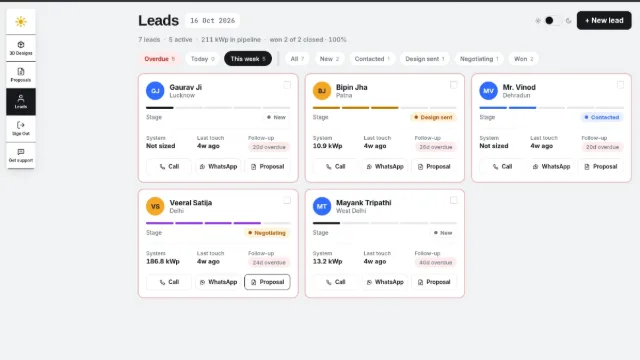
- Track every lead and its source; follow-up discipline wins more orders than discounts.
- Price for a sustainable business, keep working capital in mind and hand over every system properly.
Sales mistakes
1. Quoting from rough measurements
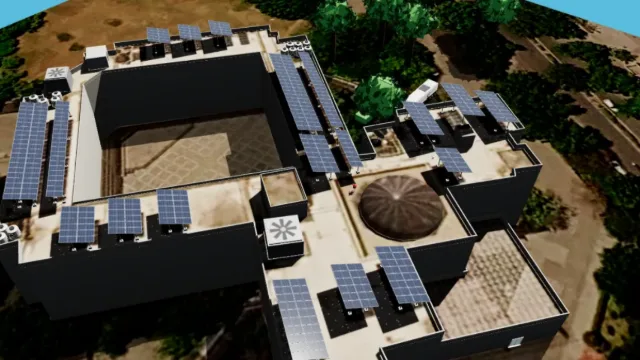
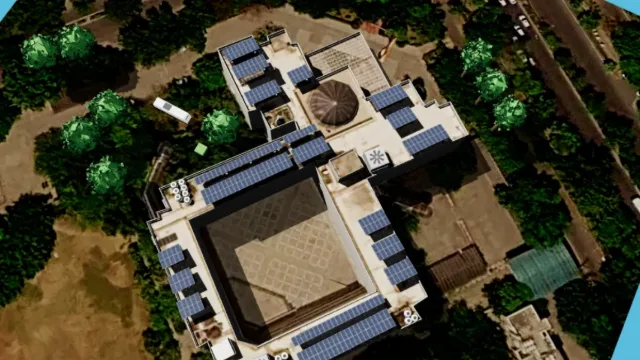
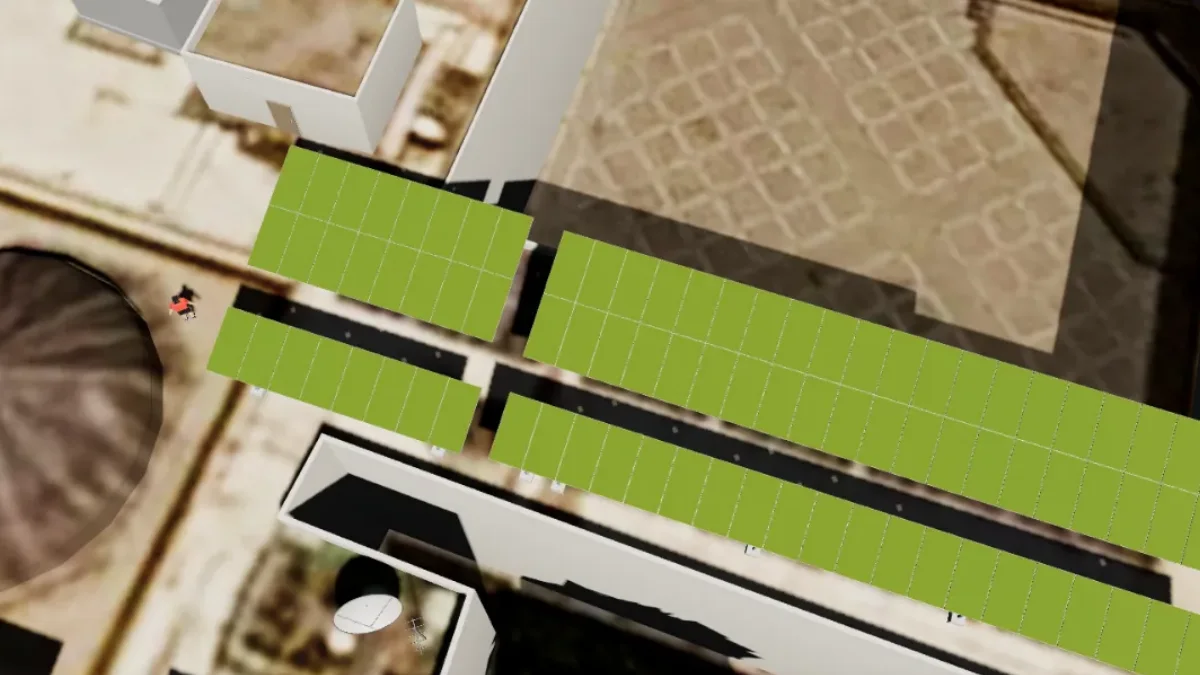
Pacing out a roof and multiplying by “100 sq. ft per kW” leads to quotes that don't survive the install. Tanks, staircase rooms and parapets eat space, and the system shrinks — along with the subsidy and the customer's trust. The fix is to design the real roof before sending a price. Read 3D design vs guesswork for how that works in practice.

2. No follow-up system
Most homeowners need several conversations before they sign: a first call, a site visit, a proposal, a family discussion, a question about the loan. Without reminders, leads go cold and competitors who call back win. A CRM with a daily follow-up list fixes this; see why EPCs need a CRM.
3. Getting the subsidy maths wrong
Showing a subsidy that doesn't match the installed capacity, or presenting it as an upfront discount, creates disputes later. Under PM Surya Ghar the subsidy is credited to the consumer's bank account after commissioning, so the customer pays the full price first. Keep the gross price, the subsidy and the net price on separate lines, as explained in the PM Surya Ghar guide.
4. Proposals the customer can't understand
A spec sheet and a price is not a proposal. Homeowners want to see their own roof, the expected generation, the bill savings and the payback in plain language. Our guide to why solar proposals get rejected covers what to fix.
Engineering mistakes
5. Skipping the shading check
A single shaded panel can pull down the output of its whole string. If you don't check shading before quoting, generation falls short and the customer blames you in the first year. A year-round shading analysis takes minutes and tells you which spots to avoid.
6. Ignoring the roof's condition
Leaking slabs, weak tin sheets and corroded purlins don't fix themselves once panels are on top. Check the roof on the site visit, note any waterproofing work the customer must do first, and choose a structure and fixing method that suits the roof — especially on tin sheds, where clamps should avoid puncturing the sheets.
7. Cutting corners on protection and earthing
Earthing, surge protection and correctly rated DC and AC protection are easy to under-specify when margins are tight. They are also what the DISCOM inspector checks and what keeps the system safe for 25 years. Draw a proper Single Line Diagram for every job and build to it.
“The EPCs that scale fastest treat proposals and follow-up as seriously as the installation itself.”
Operations mistakes
8. Promising unrealistic DISCOM timelines
Telling a customer “net metering in a week” sets you up for angry calls. Approval times depend on the DISCOM, the season and how clean your paperwork is. Explain the steps upfront using our DISCOM approval guide, and check the name on the connection and the sanctioned load before you quote.
9. Under-pricing to win the first jobs
Quoting below cost to build a portfolio drains working capital and leaves no margin for warranty visits. Price for a sustainable business and compete on clarity and service instead. Remember that the business pays for site visits, DISCOM follow-ups, transport and after-sales calls on every job, not just the material.
10. Running out of working capital
Material is paid for before installation, while the final payment often arrives after commissioning. A few projects stuck at the DISCOM stage can freeze your cash. Agree a clear payment schedule in the proposal, link payments to milestones, and don't take on more simultaneous projects than your cash can carry.
11. Weak handover and after-sales
Customers who don't know how to read the inverter app, whom to call for service, or how often to clean their panels end up unhappy. Hand over a simple guide — our maintenance checklist is a good start — and explain the warranties clearly.
12. Not tracking where leads come from
Many new EPCs spend on ads, printed leaflets and lead-selling websites without knowing which ones bring orders. Record the source of every enquiry and review it monthly. Often referrals and local word of mouth beat paid channels, and that tells you to invest in customer experience rather than more ads.
Mistakes and fixes at a glance
| Mistake | What it costs | Fix |
|---|---|---|
| Rough quoting | Downsized systems, lost trust | 3D design of the real roof |
| Lost leads | Orders going to competitors | CRM with daily follow-ups |
| Wrong subsidy figure | Disputes after commissioning | Subsidy from the installed size, shown separately |
| No shading check | Low generation, complaints | Year-round shading analysis |
| Weak protection and earthing | Failed inspections, safety risk | Proper SLD and correctly rated devices |
| Unrealistic timelines | Angry calls, cancellations | Explain DISCOM steps upfront |
| Under-pricing | No margin for service | Price the full cost of each job |
| Weak handover | Poor reviews, no referrals | Maintenance and warranty guide for every customer |
A simple weekly routine
Most of these mistakes disappear with a light, consistent routine:
| When | What to do |
|---|---|
| Monday | Review the pipeline and every overdue follow-up |
| Every site visit | Check bill, name and sanctioned load; design on the real roof; send the proposal the same day |
| Mid-week | Confirm material, crews and structure for next week's installations |
| Friday | Check DISCOM applications and update every customer on progress |
| Month end | Review lead sources, conversion rate and pending payments |
“Customers forgive a slower installation. They don't forgive a promise that changes.”
Fix quoting with 3D design vs guesswork, and fix follow-up with a proper CRM. If you're just getting started, our checklist for starting a solar EPC business covers the essentials, and what a solar EPC does explains the full scope of the role.
FAQ
What's the single biggest mistake?
Sending quotes the customer can't verify. Showing their own roof, the shading and the subsidy clearly solves more lost deals than discounting.
Which tools does a new EPC really need?
A way to design and quote accurately, and a way to track leads. SolarDraft does both, with Solar 3D Design and the Solar CRM, and there's a free plan to start.
How many follow-ups does a typical residential lead need?
It varies, but several touchpoints are normal: the first call, the site visit, the proposal and one or two follow-ups to answer questions. A CRM makes sure none of them is forgotten.
Should a new EPC compete on price?
Only as far as your costs allow. Clear proposals, honest timelines and good after-sales service win more long-term business than the lowest price.