India's renewable energy targets aren't just policy headlines. They are the demand curve every solar EPC is riding.
Over the last decade, solar has gone from a niche to the largest single source of new power capacity in India. For EPCs, national targets translate into concrete things: subsidy schemes, DISCOM processes, equipment rules, financing options and, ultimately, the number of homeowners and businesses asking for quotes. This guide explains what the targets are, how far India has come, where rooftop solar fits, and what it all means for an EPC's day-to-day business.
Key points
- India targets 500 GW of non-fossil power capacity by 2030 and net zero emissions by 2070.
- Installed solar crossed 100 GW in 2025, and non-fossil sources now make up around half of installed power capacity.
- Rooftop solar is a policy priority because it generates power where it is used; PM Surya Ghar aims to reach one crore homes.
- For EPCs, the targets mean more enquiries and more competition — won by fast, accurate proposals and smooth paperwork.
The headline commitments
India's climate and energy commitments were set out at the COP26 summit in 2021 and in its updated national climate pledge. The ones that matter most for solar are:
| Commitment | Target |
|---|---|
| Non-fossil power capacity | 500 GW by 2030 |
| Share of installed capacity from non-fossil sources | About 50% by 2030 |
| Emissions intensity of GDP | 45% lower than 2005 levels by 2030 |
| Rooftop solar homes (PM Surya Ghar) | 1 crore households |
| Net zero emissions | 2070 |
How far India has come
Progress has been fast. India crossed 100 GW of installed solar capacity in 2025, and non-fossil sources now make up around half of the country's installed power capacity — reaching the 50% capacity goal well ahead of 2030. Most of that growth has come from large utility-scale solar parks in sunny, land-rich states, which is one reason rooftop solar is now a policy priority: it adds capacity without new land or long transmission lines.
“Every gigawatt target at the national level eventually becomes a rooftop, a proposal, and an installer.”
Where rooftop solar fits
Utility-scale plants need land and transmission lines. Rooftop systems generate power where it's used, on roofs that already exist, which reduces grid losses and gives households and businesses direct savings. That's the logic behind PM Surya Ghar Muft Bijli Yojana, launched in 2024 with a central outlay of about ₹75,000 crore to help one crore homes install rooftop solar.
| Utility-scale solar | Rooftop solar | |
|---|---|---|
| Where | Large parks on open land | Homes, offices, factories, canopies |
| Who buys the power | DISCOMs and large buyers, through tenders | The building owner, directly |
| Grid impact | Needs transmission to cities | Generates near the point of use |
| Who builds it | Large developers and EPCs | Local and regional EPCs and installers |
| Main incentive | Long-term power purchase agreements | Bill savings, PM Surya Ghar, tax benefits |
The main programmes EPCs work with
- PM Surya Ghar — central financial assistance for residential rooftop systems, paid to the homeowner after commissioning.
- PM-KUSUM — solar for agriculture, including solar pumps and solarisation of farm feeders.
- Net metering and open access rules — state regulations that let homes and businesses offset or buy green power. See net metering explained.
- Domestic manufacturing rules — requirements, including the Approved List of Models and Manufacturers, that shape which panels qualify for government-backed projects.
What this means for solar EPCs
More enquiries, more competition
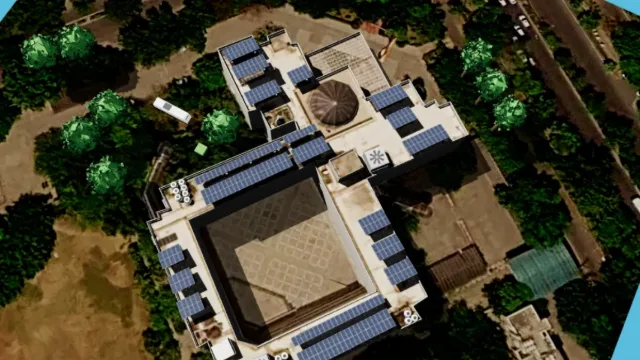
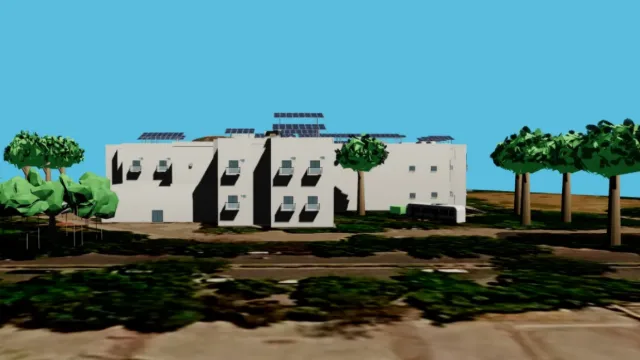
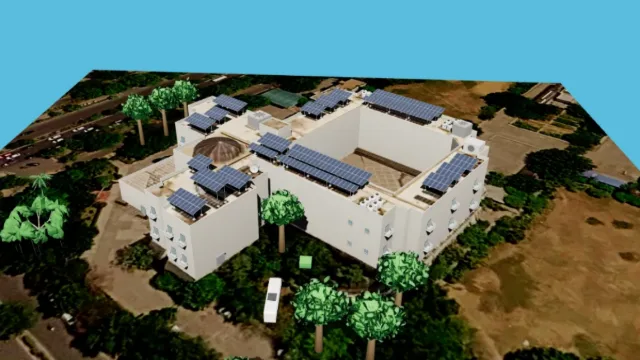
Subsidies and awareness bring more homeowners to the market, but they also bring more installers. Winning depends on speed and credibility: a fast, accurate proposal that shows the customer's own roof and a correct subsidy figure. Read why solar proposals get rejected for the common traps.
Process matters as much as installation
Scheme-based work comes with paperwork: vendor registration, DISCOM applications, inspections and subsidy claims. EPCs that handle this smoothly earn referrals; those that don't spend their time answering angry calls. Our DISCOM approval guide covers the typical steps.
Equipment rules shape your bill of materials
Scheme projects must use eligible equipment, including panels that meet domestic content requirements. Keep certificates and serial numbers organised, because they are checked during approval and subsidy release.
Commercial and industrial demand
Businesses facing high tariffs are adding rooftop and captive solar to cut costs and meet sustainability goals. These projects are larger and more technical — see commercial vs residential solar and ground-mounted vs rooftop solar.
Homeowners are better informed
Government campaigns and news coverage mean many customers now arrive knowing the subsidy slabs and asking about net metering. That raises the bar: vague answers lose deals. Clear proposals that separate gross cost, subsidy and net cost, and show a realistic payback period, meet that higher expectation.
Tools to scale
As volumes grow, manual quoting and spreadsheet follow-ups break down. EPCs that scale invest early in 3D design, proposal software and a CRM.
How EPCs can prepare
| Trend | What to do |
|---|---|
| Rising residential demand | Register as a scheme vendor; standardise proposals and paperwork |
| More competition | Quote fast from a real design; follow up every lead |
| Equipment eligibility rules | Keep certificates and serial numbers organised per project |
| Commercial demand | Build engineering and documentation skills for larger roofs |
| Storage becoming relevant | Learn hybrid systems and battery sizing |
What to watch next
- Changes to subsidy amounts or eligibility under PM Surya Ghar.
- State-level net metering and grid-connection rules.
- Domestic manufacturing requirements for panels and, increasingly, cells.
- Battery storage costs and policies — see do you need a battery with solar?
“National targets create the demand. Local execution decides who wins it.”
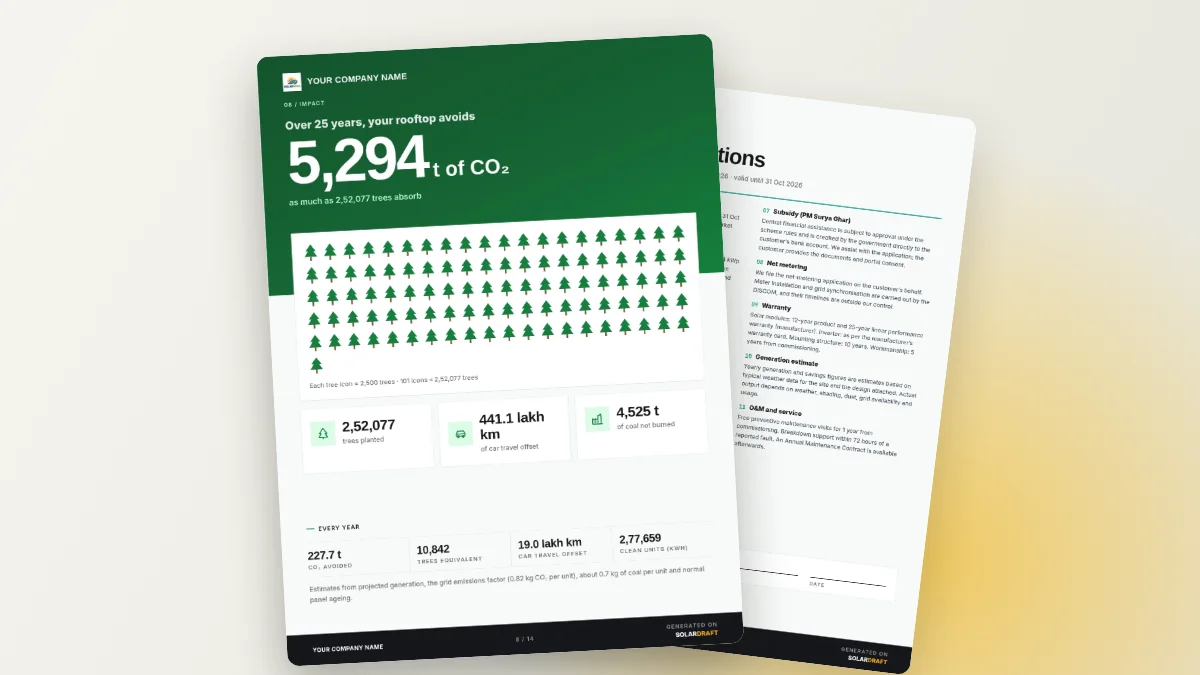
For EPCs, this demand only converts with fast, accurate proposals — see how to start a solar EPC business. Customers can estimate their own impact with the free CO₂ offset calculator.
FAQ
Is the 500 GW target only solar?
No. It covers all non-fossil capacity, including wind, hydro and nuclear, but solar makes up the largest share of new additions.
Will subsidies continue?
Scheme terms can change. Always check the current amounts on the official PM Surya Ghar portal before quoting.
Why is the government pushing rooftop solar specifically?
Rooftop systems use existing roofs, generate power close to where it is consumed and cut household bills directly, without needing new land or transmission lines.
Is it a good time to start a solar EPC business?
Demand is strong, but so is competition. New EPCs that quote accurately, handle paperwork well and give good after-sales service are best placed to grow.