An EPC (Engineering, Procurement and Construction) company handles a solar project end to end, from design to commissioning — and often the paperwork and after-sales service too.
For a homeowner, the EPC is simply “the solar company” — the people who visit, quote, install and handle the paperwork. For a business owner or a new installer, it helps to understand exactly what sits under each of those three letters, because that's where quality, responsibility and cost are decided. This guide breaks down an EPC's role, how a typical project flows, how EPCs price their work, how they differ from distributors and freelancers, and what separates a good EPC from a risky one.
Key points
- Engineering covers sizing, layout, shading, structure and electrical design; procurement covers panels, inverters and balance of system; construction covers installation, testing and commissioning.
- Indian rooftop EPCs usually also handle DISCOM applications, net metering and the PM Surya Ghar subsidy paperwork.
- Unlike a distributor or freelance installer, an EPC takes responsibility for the whole system.
- Good EPCs design the real roof, explain the subsidy and payback honestly, and keep paperwork and warranties clear.
What an EPC actually does
- Engineering — site survey, system design, load calculations and drawings.
- Procurement — sourcing panels, inverters and balance-of-system (BOS) components.
- Construction — installation, wiring, testing and DISCOM liaison.
Engineering
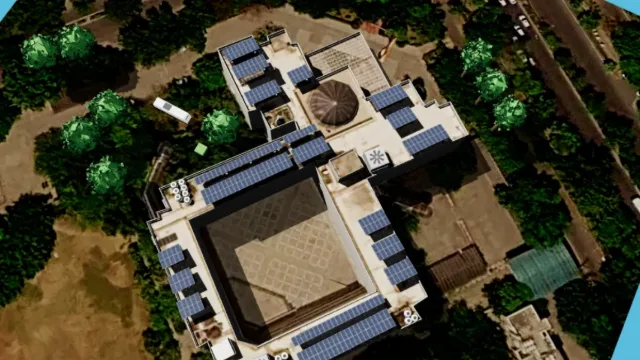
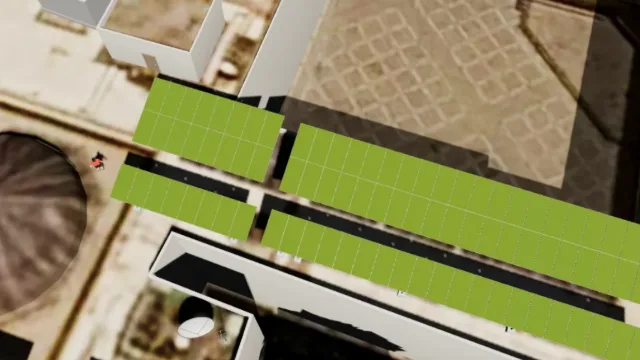
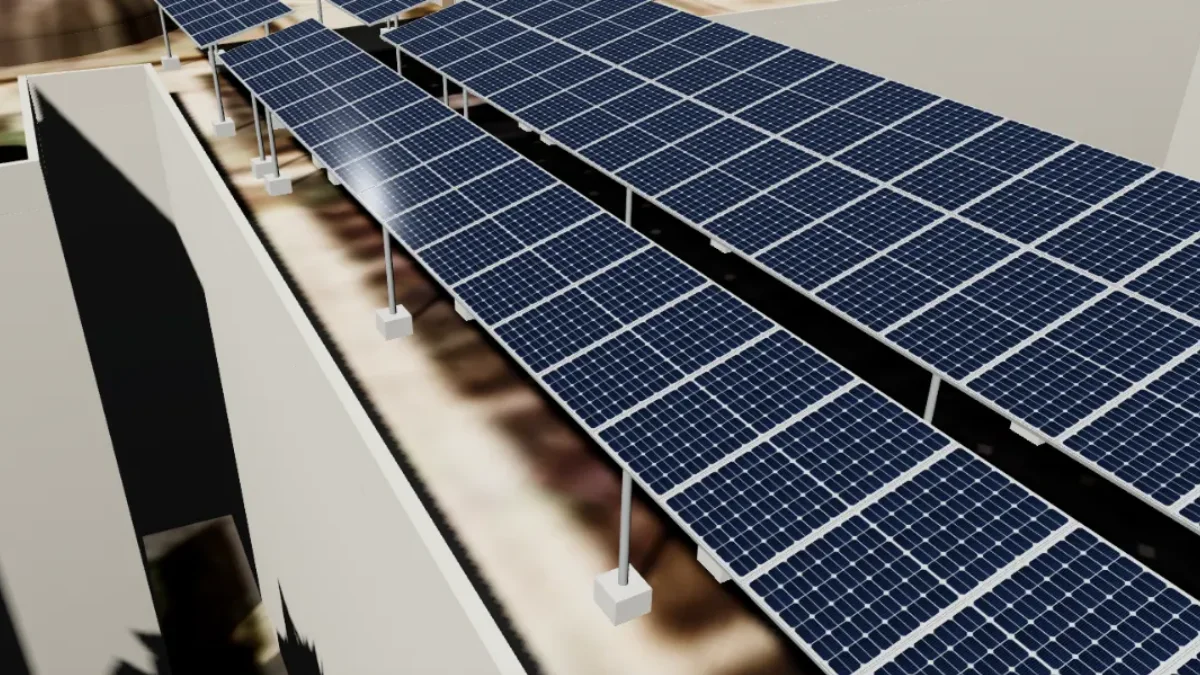
Engineering starts with the customer's electricity bill and the roof. The EPC sizes the system to the actual consumption (see how many solar panels you need), checks the roof for space and shading, designs the panel layout and mounting structure, chooses an inverter, and prepares drawings: the array layout, string routing and a Single Line Diagram for the electrical connection. For larger roofs, a structural check confirms the roof can carry the load.
Procurement
Procurement covers panels, inverters, mounting structures, cables, earthing, lightning protection, AC and DC distribution boxes and meters — often called balance of system (BOS). A good EPC buys from reliable distributors, checks that equipment meets the scheme's requirements (for example, domestic content rules for PM Surya Ghar), and keeps invoices and warranty cards for the customer. A Structure BOM generated from the design keeps orders accurate.
Construction
Construction is the installation itself: fixing the structure, mounting panels, running cables, installing the inverter, earthing and safety devices, then testing. It ends with paperwork: the DISCOM inspection, net meter installation and commissioning. Our DISCOM approval guide walks through those steps.
“A good EPC is judged less by the panels it sells and more by the paperwork it doesn't mess up.”
How a typical rooftop project flows
- Enquiry and bill review.
- Site visit, 3D design and shading check.
- Proposal with pricing, subsidy, generation and payback.
- Order, advance payment and DISCOM application.
- Material delivery and installation.
- Inspection, net meter and commissioning.
- Subsidy claim (residential) and handover.
| Stage | Owned by the EPC? | What the customer does |
|---|---|---|
| Design | Yes | Shares bills and roof access |
| Equipment purchase | Yes | Approves the equipment list |
| Installation and testing | Yes | Provides access and a place for the inverter |
| DISCOM application | Usually | Provides documents in their name |
| Subsidy filing | Usually | Provides bank details |
| Maintenance | If agreed in the contract | Routine cleaning between visits |

How EPCs price a project
Residential EPC quotes in India are usually a single turnkey price per kW that includes panels, inverter, structure, cabling, installation and paperwork, plus GST. Commercial quotes are often broken down further, with separate lines for civil work, structure height, monitoring and annual maintenance. Whatever the format, the price should be backed by a design: the number of panels, the structure and the cable lengths all come from it. That's why a Structure BOM and drawings generated from the 3D design make quotes both faster and more accurate.
| What goes into an EPC's price | Notes |
|---|---|
| Panels and inverter | The largest share; depends on brand and technology |
| Mounting structure | Depends on height, material and roof type |
| Cables, protection and earthing | Set by the electrical design and cable runs |
| Installation labour and transport | Crew days, travel, lifting to the roof |
| Paperwork and liaison | DISCOM, net metering and subsidy follow-up |
| After-sales and warranty support | Visits and fixes over the following years |
The EPC's role after commissioning
Commissioning isn't the end of an EPC's job. In the first year, customers compare their generation with the proposal, call with questions about the inverter app and the net-metered bill, and sometimes need a small fix. Good EPCs schedule a check-in a few weeks after commissioning, explain the first net-metered bill, and remind the customer of the cleaning routine. For larger systems, an annual maintenance contract formalises this with regular cleaning, inspections and a short report on how the system is performing.
EPC vs distributor vs freelancer
| EPC | Distributor | Freelance installer | |
|---|---|---|---|
| Sells to | Homeowners and businesses | Mostly installers | EPCs or homeowners |
| Designs the system | Yes | No | Usually not |
| Installs | Yes | No | Yes |
| Handles paperwork | Yes | No | Often limited |
| Responsible for the whole system | Yes | No | Partly |
What makes a good EPC
- Shows the customer a design of their actual roof — see 3D design vs guesswork.
- Explains the subsidy and payback honestly.
- Names the exact equipment and gives clear warranty terms.
- Handles DISCOM paperwork without delays.
- Hands over a maintenance routine and stays reachable for service.
Homeowners comparing installers can use our guide on how to choose a solar EPC contractor. EPCs looking to tighten their sales process can see how Solar 3D Design, Solar Proposal and the Solar CRM fit into the engineering and sales steps above.
“The EPC is the one name the customer remembers for 25 years. Every shortcut is remembered too.”
New to the business? Start with how to start a solar EPC business and avoid common early mistakes.
FAQ
What does EPC stand for in solar?
Engineering, Procurement and Construction — the three stages of delivering a complete solar plant.
Is an EPC responsible after installation?
For workmanship and the warranties it offers, yes. Ongoing operation and maintenance depends on the contract.
Do I need an EPC for a small home system?
Yes, in practice. Even a 2–3 kW system needs design, compliant equipment, safe installation and DISCOM paperwork, and the subsidy requires a registered vendor.
What is a turnkey solar project?
A project where the EPC delivers a complete, working system for one agreed price — design, equipment, installation and commissioning included.